
Jaipur, the Pink City of India, is one of the most visited destinations in the country — and for good reason. From majestic forts and royal palaces to colorful bazaars and delicious street food, Jaipur has something for every kind of traveler. The best part? You do not need a fat wallet to enjoy it. With the right planning, Jaipur can be an incredibly affordable destination even for solo travelers and backpackers.
This complete Jaipur travel guide for budget travelers covers everything you need to know — the best time to visit, how to reach Jaipur without spending a fortune, where to stay on a budget, what to eat, and which places to visit without burning a hole in your pocket. Whether you are planning a weekend trip or a longer stay, this guide will help you make the most of every rupee.
Table of Contents
- Why Jaipur Is Great for Budget Travelers
- Best Time to Visit Jaipur
- How to Reach Jaipur on a Budget
- Where to Stay in Jaipur on a Budget
- Best Places to Visit in Jaipur
- Budget Food Guide: What and Where to Eat
- Getting Around Jaipur Cheaply
- Shopping in Jaipur Without Overspending
- Money-Saving Tips for Jaipur
- Sample Daily Budget Breakdown
Why Jaipur Is Great for Budget Travelers
Jaipur is part of the famous Golden Triangle tourist circuit along with Delhi and Agra, making it one of the most well-connected cities for tourists in India. Despite being a major tourist hub, Jaipur remains surprisingly affordable compared to cities like Mumbai or Delhi. Street food is cheap and filling, hostels and guesthouses are available at very reasonable prices, and many of the city’s cultural experiences — like wandering through bazaars or watching the sunset from a hilltop — cost absolutely nothing.
The city also has a rich cultural identity that is visible everywhere — from the pink-painted buildings of the old walled city to the royal architecture of its forts and palaces. Even if you are on a tight budget, you will never feel like you are missing out in Jaipur. The experience of the city itself is a reward.
Best Time to Visit Jaipur
Jaipur is located in the desert state of Rajasthan, which means it experiences extreme temperatures. Choosing the right time to visit can also help you save money, as hotel prices and entry fees can vary slightly by season.
October to March — Best Season
This is the most pleasant time to visit Jaipur. The weather is cool and comfortable, with temperatures ranging from around 8°C to 25°C. This period coincides with several festivals like Diwali, Pushkar Fair, and the Jaipur Literature Festival, which makes the city especially vibrant. This is also the peak tourist season, so book accommodation in advance to get the best budget rates.
April to June — Hot but Affordable
Summers in Jaipur are harsh, with temperatures often crossing 40°C. However, this is a great time for budget travelers because hotel prices drop significantly and the city is far less crowded. If you can handle the heat and plan your sightseeing for early morning and evenings, you can save a lot of money during this period.
July to September — Monsoon Season
The monsoon brings some relief from the heat and the city looks beautiful with a lush green backdrop. Rainfall is moderate compared to other parts of India. Hotel prices are at their lowest during this season, making it a hidden gem for budget travelers who do not mind occasional rain.
How to Reach Jaipur on a Budget
Jaipur is very well connected to the rest of India by air, rail, and road. Here is how to reach Jaipur without overspending.
By Train — Most Budget-Friendly Option
Trains are by far the cheapest and most comfortable way to reach Jaipur from major cities. Jaipur Junction is one of the busiest railway stations in Rajasthan and has direct trains from Delhi, Mumbai, Agra, Ahmedabad, and many other cities. From Delhi, the journey takes about 4 to 5 hours and you can find Sleeper Class tickets starting from as low as ₹150 to ₹300. Book your tickets on the IRCTC website or app well in advance, especially during peak season.
Some of the popular trains on the Delhi-Jaipur route include the Shatabdi Express, Ajmer Shatabdi, and the Pink City Express. For the best budget option, go for Sleeper Class (SL) or Second Class AC (2A) depending on your comfort level.
By Bus — Very Affordable for Short Distances
Rajasthan State Road Transport Corporation (RSRTC) operates regular bus services from Delhi, Agra, and other nearby cities to Jaipur. Volvo AC buses are available at moderate prices and are a comfortable option for overnight travel. For even cheaper travel, ordinary RSRTC buses are also available and cost very little.
Private bus operators on platforms like RedBus also offer competitive rates, especially if you book in advance. From Delhi, bus journeys typically take 5 to 6 hours depending on traffic.
By Air — Book Early for Good Deals
Jaipur International Airport (Sanganer Airport) is well-connected to major Indian cities including Delhi, Mumbai, Bengaluru, and Hyderabad. While flying is generally more expensive, you can find very reasonable airfares if you book 4 to 6 weeks in advance. Budget airlines like IndiGo and SpiceJet often run flash sales with fares starting under ₹1,000 on certain routes.
Where to Stay in Jaipur on a Budget
Jaipur has an excellent range of budget accommodation options, from cheap dormitory hostels to affordable guesthouses and heritage homestays. Here are the main areas and types of accommodation to consider.
Best Areas to Stay in Jaipur
The most convenient areas for budget travelers are around the Walled City (Old Jaipur), near MI Road, and around Sindhi Camp Bus Stand. Staying in or near the old city puts you within walking distance of major attractions like Hawa Mahal, Johari Bazaar, and City Palace. It also gives you easy access to street food and local markets.
Hostels and Dormitories
Jaipur has a growing backpacker culture and several well-reviewed hostels have opened in recent years. Dorm beds are available from as low as ₹300 to ₹600 per night. Many hostels include free Wi-Fi, lockers, common kitchens, and organize social activities like walking tours and cooking classes. Look for hostels in the areas of Bani Park and C-Scheme for a quieter environment or near Hawa Mahal for a more central location.
Budget Guesthouses and Dharamshalas
Jaipur has hundreds of family-run guesthouses that offer clean, comfortable rooms at very affordable prices. Private rooms can be found from ₹500 to ₹1,200 per night depending on the season and location. Many of these guesthouses have rooftop seating, in-house restaurants serving home-cooked meals, and are run by friendly locals who can give you tips on exploring the city. Dharamshalas (religious rest houses) near temples are an ultra-budget option, though amenities are basic.
Heritage Havelis on a Budget
One of the unique experiences in Jaipur is staying in a heritage haveli. While luxury havelis can be expensive, there are many mid-range and budget options that offer a similar experience at a fraction of the price. Staying in a haveli gives you a feel of Rajasthani architecture and culture from the inside. Look for options in the old walled city area for the most authentic experience.
Best Places to Visit in Jaipur
Jaipur is packed with incredible sights. Here is a list of the must-visit places along with entry fees to help you plan your budget.
Amber Fort (Amer Fort)
Amber Fort is probably the most iconic attraction in Jaipur and absolutely worth the visit. Located about 11 km from the city center, this stunning hilltop fort is a masterpiece of Rajput architecture. The entry fee for Indian nationals is around ₹100 and for foreign nationals it is ₹500. You can reach Amber Fort by local bus (very cheap) or by auto-rickshaw. Avoid paying for the elephant ride — it is expensive and there are ethical concerns around it. The view from the fort is magnificent and the Sheesh Mahal (Hall of Mirrors) inside is truly breathtaking.
Hawa Mahal
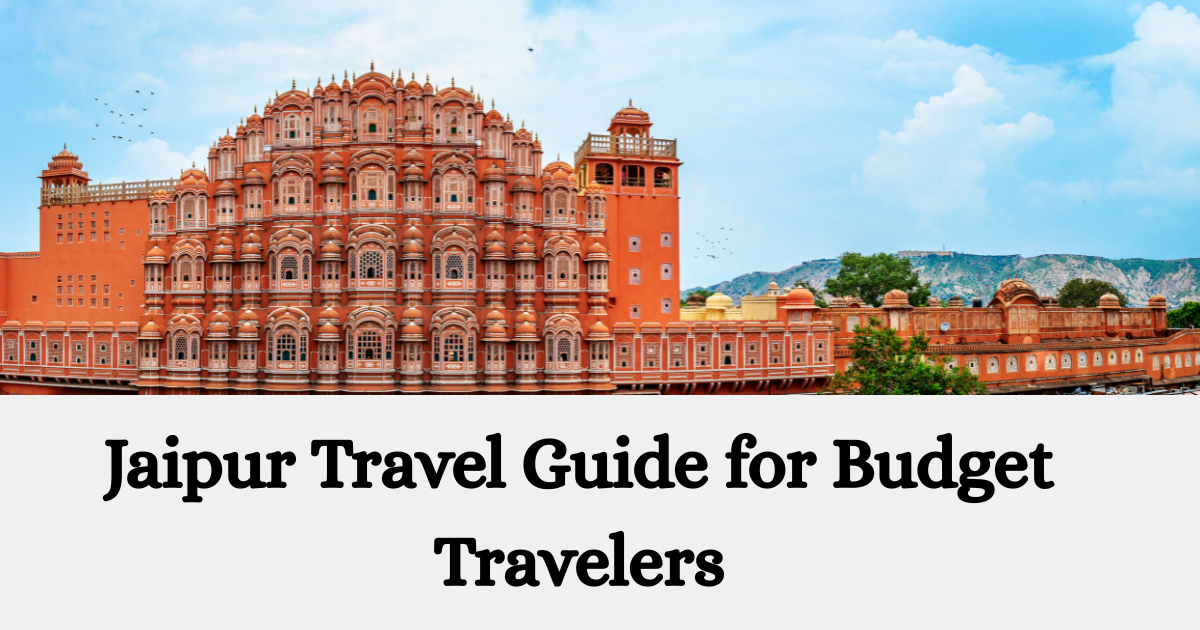
The Hawa Mahal, or Palace of Winds, is the most photographed landmark in Jaipur. This five-story honeycomb-like structure was built in 1799 and has 953 small windows. Entry is only ₹50 for Indian nationals. While the interior is somewhat modest, the view of the facade from the street and from inside the upper floors is spectacular. Early morning is the best time to visit when the rising sun illuminates the facade beautifully.
City Palace
The City Palace complex in the heart of the old city is still partially home to the royal family of Jaipur. Entry for the museum section costs around ₹200 for Indian nationals. The palace is a beautiful blend of Mughal and Rajput architecture and houses a remarkable collection of royal artifacts, textiles, and weapons. The Mubarak Mahal and Chandra Mahal are the highlights of the complex.
Jantar Mantar
Located right next to City Palace, Jantar Mantar is a UNESCO World Heritage Site and one of the largest and best-preserved astronomical observatories in the world. Entry is around ₹50 for Indian nationals. The massive stone instruments used for measuring time and predicting astronomical events are fascinating and a must-see for anyone curious about science and history.
Jal Mahal
The Jal Mahal, or Water Palace, sits in the middle of Man Sagar Lake on the road to Amber Fort. You cannot enter the palace itself, but the view from the lakeside is stunning and completely free. The best time to visit is during or just after sunset when the palace is lit up and reflects beautifully in the water. It is a great spot for photography without spending a single rupee.
Nahargarh Fort
Nahargarh Fort sits on the Aravalli Hills overlooking Jaipur and offers one of the most spectacular panoramic views of the entire city. Entry is around ₹50 for Indian nationals. The sunset view from Nahargarh is considered one of the best in Rajasthan. The fort also has a small wax museum and a restaurant at the top. It is a slightly steep climb or a short auto ride from the base, but the view makes it completely worthwhile.
Birla Mandir
The Birla Mandir, also known as the Laxmi Narayan Temple, is a beautiful white marble temple built in 1988. Entry is completely free. The temple is especially beautiful at night when it is illuminated and the white marble glows. It is a peaceful and spiritual place that also gives you a sense of the religious culture of Rajasthan.
Johari Bazaar and Bapu Bazaar
No trip to Jaipur is complete without exploring its famous bazaars. Johari Bazaar is the jewelry market and is famous for gemstones, gold, and silver jewelry. Bapu Bazaar is the go-to place for textiles, bangles, jootis (traditional Rajasthani shoes), and handicrafts. Even if you are on a budget and not buying much, just walking through these markets is a rich cultural experience. Bargaining is expected and you can often get items at half the initially quoted price.
Budget Food Guide: What and Where to Eat in Jaipur
Jaipur is a food lover’s paradise and the best part is that you can eat extraordinarily well here without spending much at all. Rajasthani cuisine is rich, flavorful, and filling — and street food here is some of the best in India.
Must-Try Dishes
Dal Baati Churma is the quintessential Rajasthani meal — hard wheat rolls (baati) served with spiced lentils (dal) and a sweet crumbled wheat dessert (churma). You can find a full thali for ₹100 to ₹200 at local restaurants. Laal Maas is a fiery mutton curry unique to Rajasthan and not to be missed by non-vegetarians. Ghewar is a traditional Rajasthani sweet made of flour and sugar syrup and is available at sweet shops across the city for around ₹20 to ₹50 per piece.
For breakfast, try Pyaaz Kachori — a deep-fried pastry stuffed with spiced onions — available at street stalls from as early as 7 AM. A plate of two kachoris with chutney costs around ₹30 to ₹50. Lassi is the local yogurt drink and Jaipur’s lassi is thick, creamy, and delicious. A big glass costs around ₹30 at local stalls.
Best Budget Eating Spots
The area around MI Road is lined with local eateries and sweet shops. Laxmi Misthan Bhandar (LMB) near Johari Bazaar is one of the most famous vegetarian restaurants in Jaipur and is reasonably priced. Street food stalls near Hawa Mahal and in Bapu Bazaar are great for quick, cheap bites throughout the day. For the best lassi in the city, head to any of the small dairy stalls in the old walled city area.
Getting Around Jaipur Cheaply
Getting around Jaipur on a budget is very manageable. The city has several affordable transport options.
Local City Buses
Jaipur has a decent public bus network that connects most major tourist areas including Amber Fort, Hawa Mahal, and the city center. Fares start from as low as ₹10 to ₹30 for most routes. The Jaipur City Transport buses are a great way to travel like a local and save money on longer distances.
Auto-Rickshaws
Auto-rickshaws are the most popular mode of transport for short distances in Jaipur. Always negotiate the fare before getting in or insist on the meter. A typical short trip within the city should cost between ₹50 to ₹150. Be aware that some auto drivers near tourist areas may try to overcharge, so having a rough idea of fares is useful.
App-Based Cabs
Ola and Uber are available in Jaipur and are generally reliable. While slightly more expensive than autos, they offer metered, transparent pricing and air-conditioned comfort, which can be a relief during hot summer months. Sharing rides when available can also reduce costs.
Renting a Bicycle or Scooter
Several hostels and rental shops in Jaipur offer bicycles and scooters for rent on a daily basis. A bicycle rental costs around ₹100 to ₹200 per day and is a fun and eco-friendly way to explore the city at your own pace. Scooter rentals are available from around ₹300 to ₹500 per day and give you the freedom to reach places like Nahargarh Fort or Amber Fort independently.
Shopping in Jaipur Without Overspending
Jaipur is famous for its handicrafts, textiles, gems, and jewelry. Even if you are on a tight budget, you can pick up some wonderful souvenirs without overspending.
The best budget buys in Jaipur include block-printed cotton fabric and clothes, blue pottery items, lac bangles, leather jootis, and camel leather goods. The key to shopping smart in Jaipur is to avoid buying from shops directly recommended by auto drivers or guides — they receive a commission which gets added to your price. Instead, head directly to the government-run Rajasthali emporium on MI Road, where prices are fixed and fair. For raw fabric and wholesale buys, the lanes around Bapu Bazaar and Johari Bazaar are your best bet if you are willing to bargain.
A good rule of thumb: always start your bargaining at 40 to 50 percent of the quoted price and settle somewhere in between. Most vendors expect this and will not be offended by a reasonable counter-offer.
Money-Saving Tips for Jaipur
Here are some practical tips that will help you stretch your budget further in Jaipur.
Buy the Composite Ticket
The Rajasthan government offers a composite ticket that covers entry to several major monuments including Amber Fort, Nahargarh Fort, Jantar Mantar, City Palace Museum, Hawa Mahal, and a few others. This ticket is valid for two days and costs around ₹300 for Indian nationals. If you plan to visit all these places, the composite ticket saves you a significant amount compared to buying individual tickets.
Travel During Off-Peak Season
As mentioned earlier, visiting between April and September means hotel prices can be 30 to 50 percent lower than peak season rates. If you can handle the heat or the rain, you can stay in much nicer places for the same budget.
Eat Where the Locals Eat
Always choose dhabas and local restaurants over tourist-facing restaurants near major attractions. A meal that costs ₹80 at a local dhaba might cost ₹400 at a restaurant near Hawa Mahal for the same quality. Ask your guesthouse owner or hostel staff to recommend good, cheap local eating spots — they always know the best ones.
Avoid Guided Tours for Major Sites
While hiring a guide can add context to your visit at places like Amber Fort or City Palace, the unofficial guides who approach you at the entrance can be very expensive. Instead, consider downloading a free audio guide app or reading up on the history before your visit. Official guides at some monuments are also available at fixed government-approved rates if you genuinely want expert commentary.
Use Free Attractions to Balance Your Day
Mix paid attractions with free ones each day. Visit Jal Mahal, walk through the old bazaars, explore Birla Mandir, or spend time at Albert Hall Museum (very affordable entry) to balance your daily spending.
Sample Daily Budget Breakdown for Jaipur
To give you a practical sense of what Jaipur costs, here is a sample daily budget for a solo budget traveler:
- Accommodation (dorm bed in a hostel): ₹400 – ₹600
- Breakfast (kachori + chai at a street stall): ₹40 – ₹80
- Lunch (local thali at a dhaba): ₹100 – ₹150
- Dinner (dal baati churma at a local restaurant): ₹150 – ₹200
- Snacks and chai through the day: ₹50 – ₹80
- Local transport (buses + one auto): ₹80 – ₹150
- Entry tickets (average across your trip): ₹100 – ₹200
- Miscellaneous (water, sunscreen, small purchases): ₹50 – ₹100
Total estimated daily budget: ₹970 – ₹1,560 per day
With careful planning, a solo budget traveler can comfortably experience Jaipur for under ₹1,500 per day, including accommodation. A couple traveling together and sharing a private budget room can bring this down even further per person.
Final Thoughts
Jaipur is one of those rare cities that rewards every kind of traveler — but budget travelers especially. The city is full of color, history, flavor, and warmth, and you do not need to spend a lot of money to feel its magic. With smart planning, a little local knowledge, and an appetite for adventure, Jaipur can be one of the most satisfying and affordable travel experiences you will ever have in India.
Whether it is your first time in Rajasthan or you are coming back for more, the Pink City never disappoints. Plan well, travel slow, eat local, and enjoy every moment of this magnificent city without worrying about your wallet.