
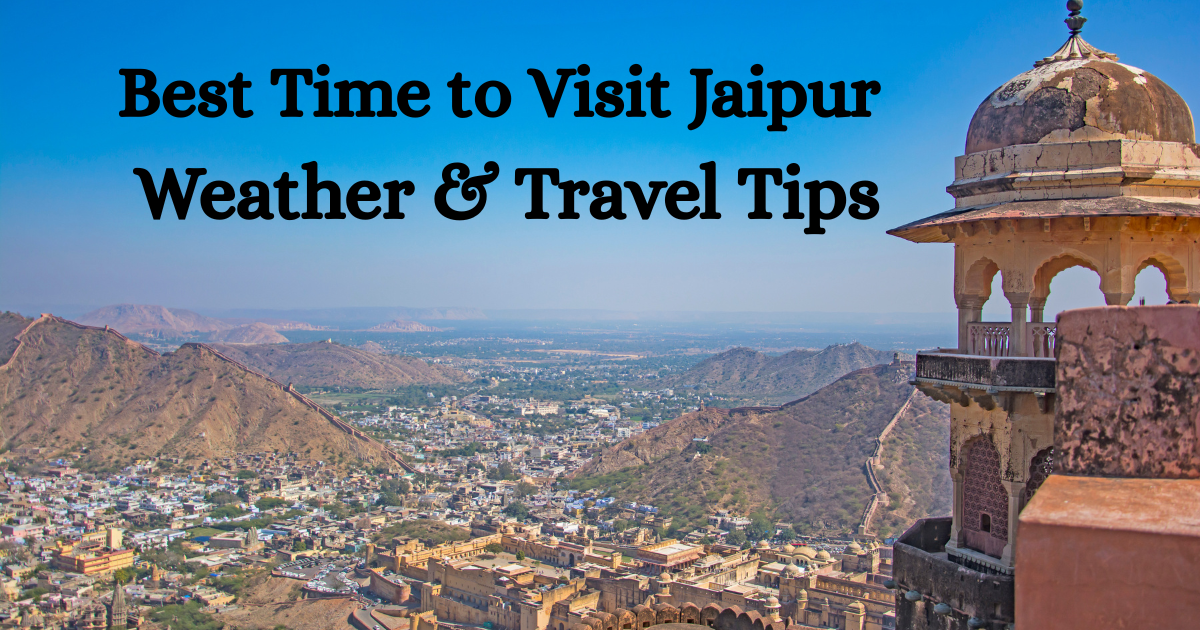
Jaipur is a city that can be visited at any time of the year — but not all times are created equal. The Pink City sits in a semi-arid desert climate that swings between harsh extremes: bone-chilling winter mornings, breathtaking spring festivals, punishing summer heat that can exceed 45°C, and a brief but beautiful monsoon season that transforms the parched Aravalli Hills into a lush green landscape. Each season offers a genuinely different experience of the city — different weather, different crowds, different prices, and different festivals.
This complete guide to the best time to visit Jaipur breaks down every month of the year, every season, and every major festival so you can choose exactly when to visit based on what matters most to you — whether that is comfortable weather, budget pricing, photography conditions, cultural festivals, or simply avoiding the crowds. Whatever your priorities, this guide will help you find your perfect Jaipur travel window.
Table of Contents
- Quick Answer: Best Time to Visit Jaipur
- Understanding Jaipur’s Climate
- Winter Season (October to March) — The Best Time
- Month-by-Month: October to March
- Summer Season (April to June) — Hot but Affordable
- Month-by-Month: April to June
- Monsoon Season (July to September) — Hidden Gem
- Month-by-Month: July to September
- Festival Calendar — Best Times for Cultural Experiences
- Best Time to Visit Based on Traveler Type
- What to Pack for Each Season
- Essential Travel Tips for Each Season
- Frequently Asked Questions
Quick Answer: Best Time to Visit Jaipur
The best time to visit Jaipur is from October to March, when the weather is cool, dry, and perfect for sightseeing. Temperatures during this period range between 8°C at night and 30°C during the day — comfortable conditions for exploring forts, palaces, and bazaars on foot. This period also coincides with Jaipur’s most celebrated festivals including Diwali, the International Kite Festival, and the Jaipur Literature Festival.
For budget travelers who can handle heat, April to June offers the lowest hotel prices of the year with discounts of 30 to 50 percent, significantly fewer crowds, and clear skies. The monsoon months of July to September bring a beautiful green landscape, very affordable accommodation, and the vibrant Teej festival — making this an underrated window for adventurous travelers.
Understanding Jaipur’s Climate
Jaipur is located in the northwestern state of Rajasthan at approximately 27 degrees north latitude and 430 metres above sea level. The city has a semi-arid climate — also called a steppe climate in meteorological terminology — which means it experiences a long dry season punctuated by a relatively brief but sometimes intense monsoon season. The Aravalli Hills to the west provide some protection from the harshest desert winds but do little to moderate the extremes of temperature that define life in Rajasthan.
Annual rainfall in Jaipur amounts to approximately 565 millimetres per year, which is concentrated almost entirely in the monsoon months of July and August. The driest month is typically November, which receives almost no rainfall at all. The hottest month is May, when average maximum temperatures reach approximately 43°C and have been known to exceed 48°C on the hottest days. The coldest month is January, with average temperatures of around 15.9°C and nighttime lows that can occasionally drop to 4°C or even below in particularly cold winters.
This dramatic temperature range — from below 5°C in January to above 45°C in May — means that the timing of your visit has an enormous impact on your experience. Understanding each season’s character is essential for planning a comfortable and enjoyable trip.
Winter Season (October to March) — The Best Time to Visit
Winter is unambiguously the best season to visit Jaipur and the period when the city truly comes into its own. From October to March, Jaipur experiences cool, dry, and sunny weather with clear blue skies, crisp mornings, and pleasant afternoons that make extended outdoor sightseeing not just comfortable but genuinely enjoyable. The city is at its most beautiful, most lively, and most accessible during these months.
The days are graced with lovely sunshine, rendering it a pleasing time to explore, wander, and sightsee. The nights get particularly chilly as temperatures fall to single digits in December and January, so warm clothing for evenings is essential. The mornings and evenings in December and January are often cloaked in a gentle mist that softens the edges of the pink buildings and forts, creating an atmospheric and photogenic quality that the harsh bright light of summer never produces.
This is also the period when Jaipur’s cultural life is at its most intense. The city’s most important festivals — Diwali in October or November, the International Kite Festival in January, and the Jaipur Literature Festival in January — all fall within this window, as do numerous smaller cultural events, craft fairs, and heritage festivals that fill the city’s calendar through the winter months.
The primary downside of winter is that it is peak tourist season. Hotel prices are at their highest, popular monuments can be crowded — especially Amber Fort on weekends — and booking accommodation in advance, particularly for December and January, is essential. That said, even the winter crowds in Jaipur are manageable compared to major tourist destinations elsewhere, and the quality of the experience more than compensates for the slightly higher costs.
Month-by-Month: October to March
October — Festive Start of the Season
October marks the beginning of Jaipur’s tourist season and is one of the most rewarding months to visit. The scorching summer heat has broken and temperatures settle into a very comfortable range of approximately 18°C to 33°C. The skies are typically clear after the monsoon and the Aravalli Hills retain some of their monsoon greenery, providing a beautiful backdrop to the city’s monuments. October is also the month of Navratri and often Diwali — when the city is decorated with millions of lights and the atmosphere is festive and magical. Hotel prices are beginning to rise from their monsoon lows but are still significantly lower than the peak December to February window. October is an excellent choice for travelers who want good weather, fewer crowds than peak season, and a taste of Jaipur’s festival culture.
November — Near-Perfect Conditions
November is one of the most consistently pleasant months to visit Jaipur. Temperatures range from approximately 11°C to 28°C, making the days warm and comfortable and the evenings cool and refreshing. The city is clear and bright, the monuments are beautifully lit in the late afternoon sun, and the crowds are building but have not yet reached the December peak. November is an excellent shoulder month that combines very good weather with slightly more manageable tourist volumes. If your visit coincides with the annual Pushkar Camel Fair in nearby Pushkar — which typically falls in October or November — you can combine both destinations in a single trip for an extraordinary cultural experience.
December — Peak Season, Peak Magic
December is the most popular month to visit Jaipur and for good reason. Temperatures range from approximately 8°C to 22°C — cool enough for energetic sightseeing all day without any discomfort. The city is at its busiest, most festive, and most beautifully decorated during Christmas week and New Year’s Eve. Heritage hotels in particular go all out with decorations and special events during this period. The downside is that December is also the most expensive month — hotel rates are at their annual peak and popular properties require advance booking weeks or even months ahead. If you are visiting in December, book your accommodation and any guided tours as early as possible.
January — Festival Month
January in Jaipur is a spectacular month for culturally curious travelers. The weather is at its coldest — temperatures ranging from approximately 8°C at night to 20°C during the day, with occasional dips to 4°C or below on the coldest nights. Mornings can be foggy and misty, which creates beautiful atmospheric conditions for photography at the forts. But the real draw of January is its festivals. Makar Sankranti on January 14th brings the extraordinary International Kite Festival — when the sky above Jaipur fills with thousands of kites of every colour and the rooftops of the old city become community gathering spaces. Later in January, the Jaipur Literature Festival at Diggi Palace brings together some of the world’s finest writers, thinkers, and literary figures for five days of free public events. January is perhaps the single most culturally rich month to visit Jaipur and is particularly recommended for travelers interested in arts, culture, and intellectual life.
February — Sweet Spot
February is an outstanding month to visit Jaipur — often considered the sweet spot of the entire travel year. Temperatures rise pleasantly to approximately 12°C to 28°C, the days are warm and sunny without being hot, and the tourist crowds are beginning to thin from their January peak. February typically includes the vibrant Holi festival (exact date varies with the lunar calendar but often falls in February or early March) — celebrating Holi in Jaipur, with its pink walls and royal heritage as a backdrop, is a genuinely unforgettable experience. The combination of excellent weather, manageable crowds, good hotel availability, and the possibility of coinciding with Holi makes February one of the very best months to visit Jaipur.
March — Transition Month with Festivals
March represents the transition from winter to summer in Jaipur. Temperatures rise from approximately 16°C to 34°C through the month — comfortable in the first half but noticeably warmer in the latter half. The Elephant Festival, held on the eve of Holi, and the Gangaur Festival — one of Jaipur’s most spectacular and culturally significant celebrations — both often fall in March. Gangaur features elaborate processions of women in vibrant traditional dress carrying decorated idols through the lanes of the old city, and is considered one of the most visually extraordinary festivals in all of Rajasthan. March is a good month for budget travelers who want festival experiences combined with shoulder-season pricing.
Summer Season (April to June) — Hot but Affordable
Jaipur’s summer is formidable. From April through June, the city experiences the full force of a Rajasthani desert summer — temperatures soar, the air is dry and dusty, and venturing outside between approximately 11 AM and 5 PM becomes genuinely uncomfortable and potentially hazardous. The maximum temperature during these months can range between 30°C and 45°C, with May being the hottest month and temperatures occasionally spiking to 48°C on peak heat days.
And yet summer Jaipur has its advocates — and for good reason. If you can handle the heat and structure your day intelligently around it, summer offers an extraordinary set of advantages that no other season can match.
Hotel prices drop by 30 to 50 percent from their peak season rates during summer — meaning you can often stay in a genuinely beautiful heritage property for what a basic guesthouse costs in December. The monuments are far less crowded, giving you the rare experience of Amber Fort or Jantar Mantar almost to yourself. And the clear desert skies of early morning before the heat builds produce some of the most spectacular photography conditions of the entire year — the golden light of a Jaipur summer dawn on those pink sandstone walls is extraordinary.
The strategy for a summer visit is simple: start your sightseeing by 7:00 AM, see everything you want to see before noon, retreat to your air-conditioned hotel or a cool cafe for the afternoon, and re-emerge in the late afternoon from around 5 PM when the heat begins to ease. Evenings in Jaipur’s summer are actually very pleasant — the temperature drops significantly after sunset and the city’s bazaars, rooftop restaurants, and cultural venues come alive in the cool of the evening.
Month-by-Month: April to June
April — Warming Up
April begins warm and builds toward hot through the month. Temperatures range from approximately 27°C to 39°C. The first half of April is actually quite manageable — it is only in the latter half that the heat becomes a serious consideration. April often coincides with the end of the Gangaur festival season and the Baisakhi harvest celebration. Hotel prices are in shoulder-season territory — not as low as May and June but significantly below peak season rates. April is a reasonable choice for budget-conscious travelers with flexible schedules who want a compromise between good weather and affordable pricing.
May — Peak Heat, Lowest Prices
May is the hottest month of the year in Jaipur with temperatures regularly reaching 42°C to 45°C and occasional spikes above 48°C. This is not the month for casual tourists — but for genuinely adventurous travelers on tight budgets, May offers the lowest hotel rates of the entire year, almost entirely deserted monuments, and an experience of Jaipur that is completely different from anything you will find in the tourist brochures. If you visit in May, treat it as a strategic challenge: emerge early, retreat during the heat of the day, rehydrate constantly, and let the drama of the landscape and the empty forts be your reward. The highest temperature in Jaipur is recorded in May — historically reaching as high as 111.2°F (44°C).
June — Pre-Monsoon Build-Up
June brings high humidity as the monsoon approaches, with temperatures of approximately 28°C to 40°C. June is generally considered the lowest point of Jaipur’s tourism calendar — hotel prices are at their annual minimum (generally June is the month with the lowest hotel prices in Jaipur), the city is at its quietest, and the approaching monsoon adds a dramatic, electric quality to the skies. Late June occasionally brings the first pre-monsoon thunderstorms that provide short but spectacular relief from the heat. Unless you have a very specific reason to visit in June, most travelers are better served by the early summer period of April or by waiting for the monsoon in July.
Monsoon Season (July to September) — The Underrated Season
When the monsoon arrives in Jaipur — typically in late June or early July — it brings an immediate and dramatic transformation. The parched, dust-coloured landscape turns green almost overnight. The Aravalli Hills, which are brown and bare through the summer, become covered in lush vegetation. The air, which has been dry and dusty for months, suddenly smells of wet earth and rain. Jaipur in the monsoon is a completely different city from the one that tourists typically encounter — softer, more romantic, more mysterious, and in its own way extraordinarily beautiful.
The monsoon climate is far more alluring than summer. Temperatures are significantly less hot, ranging between 23°C and 34°C — a genuine relief after the summer extremes. Winds are cooler, clouds provide intermittent shade, and the existence of rain creates a quality of atmosphere and light that photographers find irresistible. The monuments look magnificent against dramatic monsoon skies — dark clouds behind the pink walls of Amber Fort or Hawa Mahal create images that are completely unavailable in the dry season.
The practical considerations of monsoon travel require some planning. While Jaipur does not receive the overwhelming rainfall of coastal or highland monsoon regions, heavy rain events do occur — particularly in July and August — and in July and August, floods in the lower parts of the city are quite frequent when heavy rains occur. Always carry a compact umbrella or light rain jacket during monsoon visits. The most humid month in Jaipur is August, when the combination of heat and humidity can feel uncomfortable during and after rainfall.
Month-by-Month: July to September
July — Monsoon Arrives
July brings the main monsoon to Jaipur with temperatures of approximately 27°C to 35°C. The maximum rainfall of the year falls in July and August. The Teej Festival — one of Jaipur’s most important and visually spectacular festivals, celebrated by women in honour of Goddess Parvati — falls in July or August depending on the lunar calendar. The Teej procession through the old city, with decorated elephants, folk musicians, and women in vibrant green and red dress, is one of the most beautiful festivals in Rajasthan and is a genuinely compelling reason to visit Jaipur during the monsoon. Hotel prices in July are among the lowest of the year.
August — Green and Festival-Filled
August is the wettest and most humid month in Jaipur. Temperatures range from approximately 25°C to 33°C. The hills are at their greenest and most lush, and the city has a verdant, almost tropical quality quite unlike the dusty, sun-baked environment most people associate with Rajasthan. Raksha Bandhan and Independence Day celebrations add a festive atmosphere to the city in August, and sweet shops overflow with Ghewar — the traditional Rajasthani sweet most closely associated with the monsoon festival season. August is a wonderful month for travelers interested in experiencing a completely different, quieter, and more intimate side of Jaipur.
September — Monsoon Fading, Conditions Improving
September marks the gradual end of the monsoon. Rainfall decreases through the month, temperatures begin to ease toward 26°C to 34°C, and the landscape retains its monsoon greenery while the weather becomes progressively more comfortable. By late September, the monsoon is essentially over and conditions begin to resemble the pleasant early-winter weather that makes October and November so popular. September offers an excellent combination of affordable prices (still firmly off-season), increasingly comfortable weather, and the tail end of the monsoon’s visual beauty. It is one of the most underrated months to visit Jaipur.
Festival Calendar — Best Times for Cultural Experiences
Jaipur’s festival calendar is one of the most packed in India and aligning your visit with a major festival adds an extraordinary dimension to any trip. Here are the most important events and their typical timing:
- Diwali — October or November (lunar calendar). The festival of lights illuminates every fort and palace in the city spectacularly.
- International Kite Festival (Makar Sankranti) — January 14th every year. The sky above Jaipur fills with thousands of kites.
- Jaipur Literature Festival — Late January every year at Diggi Palace. The world’s largest free literary event.
- Elephant Festival — Day before Holi, typically February or March. Decorated elephants parade at the Polo Ground.
- Holi — February or March (lunar calendar). Celebrated with enormous colour and joy across the city.
- Gangaur Festival — March or April (lunar calendar). One of the most visually spectacular festivals of Rajasthan.
- Baisakhi — April 13th or 14th. Harvest festival with traditional music and dance.
- Teej Festival — July or August (lunar calendar). Magnificent procession through the old city celebrating the monsoon.
- Raksha Bandhan — August (lunar calendar). Sweet shops fill with Ghewar and the city has a warm, familial atmosphere.
- Navratri — October (lunar calendar). Nine nights of dance, music, and devotion across the city.
- Jaigarh Heritage Festival — December. Cultural performances and heritage experiences at Jaigarh Fort.
Best Time to Visit Based on Traveler Type
Different travelers have different priorities and the best time to visit Jaipur varies accordingly. Here is a quick guide based on who you are and what you are looking for.
First-Time Visitors
November to February is the clear recommendation for first-time visitors. The weather is excellent, all the major monuments are open and accessible, the city is at its most vibrant, and the festival calendar is full. Book accommodation in advance and budget for peak-season prices.
Budget Travelers
April to September offers the lowest prices across accommodation, tours, and some shopping. Summer is extreme but manageable with early starts and afternoon breaks. Monsoon is genuinely pleasant and the savings compared to peak season are substantial — often 30 to 50 percent on hotel rates.
Photography Enthusiasts
January and February for winter light and festival colours. July and August for dramatic monsoon skies and lush green hills as a backdrop to the forts. The monsoon light on Jaipur’s pink buildings is extraordinary and produces images that are simply unavailable in the dry season.
Honeymooners
November to February offers the most romantic conditions — cool evenings, beautifully lit heritage hotels, and the most comfortable conditions for slow, leisurely exploration of the city together. February, which often coincides with Valentine’s Day and Holi, is particularly special.
Families with Children
October, November, and February to March are the most practical choices for families. Temperatures are manageable for children, the major attractions are all accessible, and there are enough festivals and cultural activities to keep younger visitors engaged.
Culture and Festival Seekers
January for the Kite Festival and Literature Festival. March for Holi and Gangaur. July or August for Teej. October or November for Diwali. Any of these specific festival windows will deliver an intense and memorable cultural experience.
What to Pack for Each Season
Winter (October to March)
Light to medium layers for the day — comfortable cotton or linen clothes are ideal for sightseeing in the mild daytime temperatures. A warm jacket, sweater, or shawl for evenings and early mornings is essential from November through February. Comfortable walking shoes with good grip for the fort staircases and cobblestone streets. Sunscreen is still necessary even in winter as the sun is strong during the day. A light scarf is useful for temple visits and sun protection.
Summer (April to June)
Light, breathable, loose-fitting cotton or linen clothing that covers your arms and legs — this both protects you from the sun and helps you stay cooler than exposed skin. A wide-brimmed hat is essential. High-SPF sunscreen is non-negotiable. Carry at least 2 litres of water per person per day. Sunglasses with UV protection. A small cooling towel can provide significant relief during outdoor sightseeing.
Monsoon (July to September)
A compact, lightweight umbrella or foldable rain jacket for the inevitable showers. Quick-drying clothing that does not cling uncomfortably when damp. Waterproof sandals or light waterproof shoes rather than sneakers that will become soaked and heavy. Dry bags or waterproof pouches for your phone, camera, and documents. Anti-mosquito repellent is important during monsoon months.
Essential Travel Tips for Each Season
Winter Travel Tips
Book accommodation well in advance — popular heritage hotels and hostels fill up weeks or months ahead for December and January. Buy the composite monument ticket at your first stop to save time and money. Start sightseeing early to make the most of morning light and beat the late-morning crowds at Amber Fort. Carry a warm layer for evenings as the temperature drops quickly after sunset, especially in December and January. Be prepared for slightly higher prices across accommodation, transport, and guided tours during peak months.
Summer Travel Tips
Restructure your entire day around the heat: begin sightseeing at 6:30 or 7:00 AM, see everything outdoors before noon, and use the afternoon for air-conditioned attractions like museums, cafes, or your hotel’s pool. Never skip drinking water — dehydration and heat exhaustion are genuine risks in May and June. Negotiate aggressively on hotel rates as proprietors are very willing to offer significant discounts during the slow season. Carry oral rehydration salts in your first aid kit for emergencies. Eat light meals and avoid heavy food during the hottest part of the day.
Monsoon Travel Tips
Always carry a compact umbrella — showers can arrive quickly and without much warning. Check road conditions before driving to out-of-city destinations like Amber Fort after heavy rain as occasional flooding can affect access roads. Mosquito repellent is important as standing water after rain creates breeding conditions. Embrace the unpredictability of monsoon travel — some of the most extraordinary photographs and memories come from unexpected moments of rain, mist, and dramatic skies that no amount of planning could produce.
Frequently Asked Questions
Which is the absolute best month to visit Jaipur?
November and February are generally considered the two single best months to visit Jaipur. November offers excellent weather with fewer crowds than December and January, while February combines near-perfect temperatures with the possibility of coinciding with Holi and the tail end of the Jaipur Literature Festival season. Both months strike the ideal balance between comfortable weather, cultural richness, and manageable tourist volumes.
Is Jaipur worth visiting in summer?
Yes — but only for travelers who are prepared for the heat, plan their days intelligently, and are motivated by the significant cost savings. If you start your sightseeing early, take afternoon breaks in air-conditioned comfort, and stay well hydrated, Jaipur in summer can be a genuinely rewarding experience. The empty monuments and beautiful early morning light are real advantages that peak season simply does not offer.
Is Jaipur good to visit during monsoon?
Absolutely — and it is one of the most underrated travel windows. The green landscape, the dramatic skies, the affordable prices, and the extraordinary Teej festival make July and August genuinely compelling months to visit. The rain is not as intense as in coastal or hill station destinations and sightseeing remains feasible on most days with sensible preparation.
What is the coldest month in Jaipur?
January is the coldest month in Jaipur, with average temperatures of approximately 15.9°C and nighttime lows that can drop to 4°C or below. The coldest recorded temperature in Jaipur is approximately 41°F (5°C), typically occurring in mid-January during the most intense cold spells.
Does it snow in Jaipur?
No — Jaipur does not experience snowfall. While winter nights can be cold enough to feel quite chilly, the city is at a relatively low altitude and in a semi-arid climate that does not produce snowfall. Cold fog is occasionally seen on winter mornings in December and January, but this is the extent of Jaipur’s cold weather extremes.
Final Thoughts
There is no universally wrong time to visit Jaipur — every season offers something genuine and worthwhile. The winter months from October to March deliver the most comfortable and complete experience for most travelers, and if this is your first visit to the Pink City, this is the window to choose. But do not dismiss summer or monsoon Jaipur without consideration — both seasons have their own distinct magic, their own advantages, and their own categories of travelers who find them ideal.
Know your priorities — weather, budget, festivals, photography, or crowd levels — and use this guide to match your travel window to what matters most to you. However and whenever you arrive in Jaipur, the city will meet you with its extraordinary beauty, its generous hospitality, and its inexhaustible supply of stories, colours, and experiences that no amount of prior reading can fully prepare you for.